
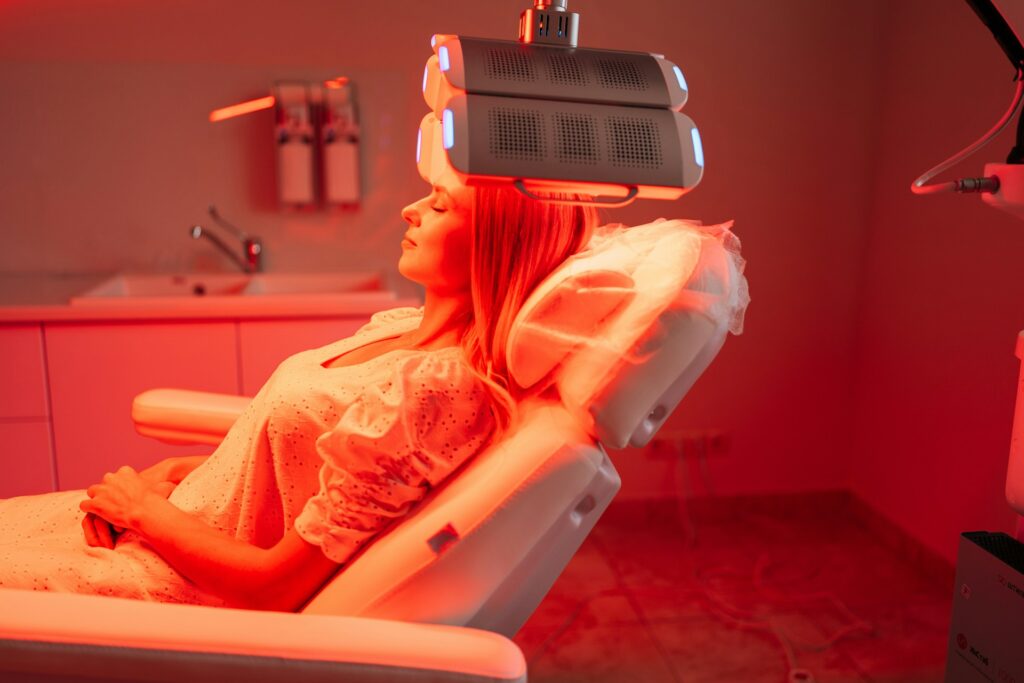
You finish a tough workout, feel like a champion, then wake up the next morning walking like a rusty robot. Sound familiar? Non chemical therapy is gaining lots of attention among active adults lately, and medical-grade red light therapy devices are becoming popular options for people who want to support recovery without adding another complicated step to their routines. But is this technology worth the hype? Red light therapy uses specific wavelengths of light that interact with cells in the body. It does not replace sleep, good nutrition, or proper training. Still, it may offer some interesting benefits.
What Exactly Is Red Light Therapy?
Red light therapy, also called photobiomodulation, uses red or near-infrared light to stimulate biological activity. Unlike ultraviolet light, it does not aim to tan or burn your skin. Instead, researchers are studying how these wavelengths affect cellular processes, including energy production and inflammation. Your cells contain structures called mitochondria. Think of them as tiny power stations that help produce energy. Certain light wavelengths may influence mitochondrial activity and support cellular function. That is the basic science behind this treatment, although researchers are still working out exactly how different doses affect the body.
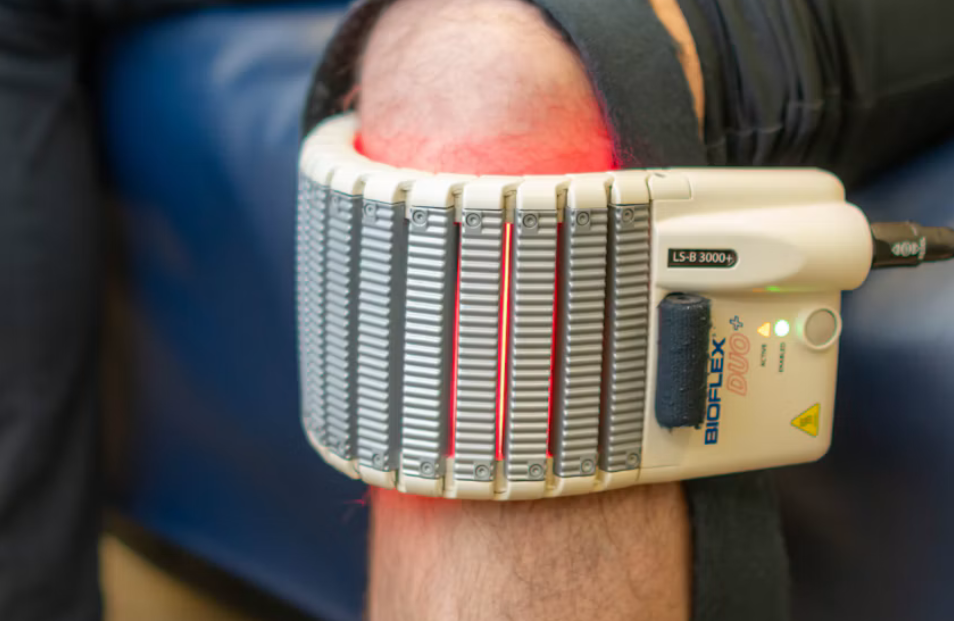
Why Active Adults Are Paying Attention
Muscle soreness can turn a simple trip downstairs into an Olympic event. Red light therapy has attracted interest because some studies suggest it may help reduce exercise-related muscle damage and soreness. Researchers are also examining its potential effects on inflammation and physical performance. However, results are not guaranteed. Benefits can depend on the treatment wavelength, exposure time, device strength, and individual response. Some studies report encouraging outcomes, while others show limited effects. Think of it as a possible recovery tool, not a magic button that erases yesterday’s leg day.
Red Light Therapy and Muscle Recovery
Recovery is where this technology gets particularly interesting. Exercise places stress on muscle tissue, which is part of how the body adapts and becomes stronger. The challenge is giving your body enough time and support to repair itself before your next session. Photobiomodulation may influence processes involved in inflammation and cellular repair. Some research suggests it could reduce soreness or help muscles recover after strenuous exercise. Still, the evidence varies across studies, so avoid treating every glowing advertisement as scientific fact. A good recovery routine should still include hydration, balanced meals, rest days, and quality sleep.

How to Choose a Red Light Therapy Device
Shopping for a panel can feel like choosing equipment for a spaceship. Every brand seems to promise impressive results, but the technical details matter more than flashy marketing. Start by checking the wavelengths, treatment area, irradiance, and recommended exposure time. Look for clear specifications and credible safety information. Some devices use red light, while others combine red and near-infrared wavelengths. Larger panels can cover more of your body, while smaller units may suit targeted sessions. Comparing expert product reviews, including roundups of leading panels, can help you understand the available options before spending your money.
Using Red Light Therapy Safely
More light does not automatically mean better results. Follow the manufacturer’s instructions for distance, session length, and frequency. Avoid staring directly into bright LEDs, and use appropriate eye protection if the device instructions recommend it. People with photosensitivity or certain medical conditions should consult a healthcare professional before starting …